Why Do My Eyes Burn and Water Every Fall in Illinois? (Ragweed vs. Dry Eye)
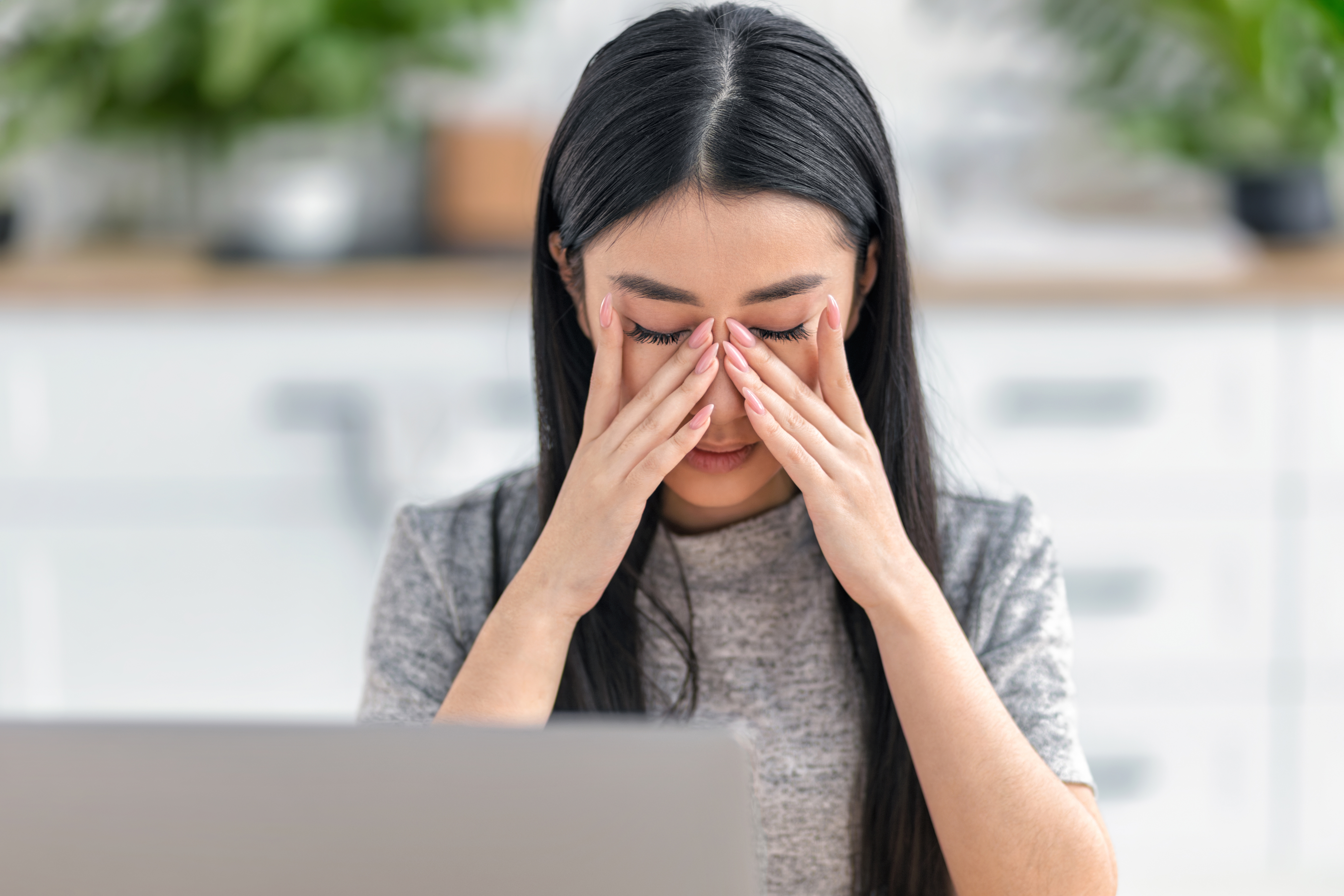
Fall in Illinois brings cooler temperatures, changing leaves, and for many people, burning, watery, irritated eyes. While seasonal allergies are often blamed, ragweed is not always the only cause. Dry eye can create many of the same symptoms, and some patients experience both conditions at the same time. Knowing whether your symptoms are caused by fall allergies, dry eye, or a combination of the two can help you find more effective relief.
How Ragweed Can Affect Your Eyes
Ragweed pollen is a common seasonal allergen during late summer and fall. When pollen comes into contact with the eyes, the immune system may react and trigger allergic conjunctivitis.
Itching is one of the strongest clues that allergies may be responsible. Your eyes may also become red, swollen, watery, or irritated. Symptoms often become worse after spending time outdoors, especially on dry or windy days when pollen is easily carried through the air. Seasonal allergies typically affect both eyes and may occur along with sneezing, congestion, or a runny nose.
Why Dry Eye Can Make Your Eyes Water
It may seem strange for dry eyes to cause excessive watering, but it is actually common. When the surface of the eye becomes too dry or irritated, the eyes may respond by producing a sudden rush of watery tears. These reflex tears can make your eyes water without providing the balanced tear film needed for lasting comfort.
Common signs of dry eye include:
• Burning, stinging, or gritty sensations
• Watery eyes that come and go
• Blurred or fluctuating vision
• Redness or eye fatigue
• Sensitivity to light
• Discomfort while wearing contact lenses
Dry eye symptoms may become more noticeable during Illinois fall weather as temperatures change, outdoor winds increase, and indoor heating begins to reduce humidity.
Can You Have Allergies and Dry Eye at the Same Time?
Seasonal allergies can make existing dry eye symptoms more noticeable. Rubbing irritated eyes can further disturb the tear film, while some allergy medications may contribute to dryness. This overlap is one reason treating every case of burning or watering eyes as a simple seasonal allergy may not provide enough relief.
If itching is your main complaint and symptoms closely follow pollen exposure, allergies may be playing a major role. If burning, grittiness, fluctuating vision, or persistent watering occurs throughout the day, dry eye may also be involved.
How We Determine What Is Causing Your Symptoms
At Community Eye Care, we can evaluate the surface of your eyes and tear film to identify what may be contributing to ongoing irritation. Dry eye evaluation can include advanced testing such as imaging of the meibomian glands and measurements of tear film osmolarity.
Treatment depends on the underlying cause and severity of your symptoms. Options may include prescription eye drops, eyelid hygiene, treatment of the oil-producing glands, blinking exercises, or advanced therapies such as OptiLight IPL for certain dry eye patients.
If burning, watery, or irritated eyes keep returning every fall, schedule an evaluation with Community Eye Care to find out whether seasonal allergies, dry eye, or both are affecting your comfort. Contact our Effingham office at (217) 342-2672, Pana at (217) 562-2512, Taylorville at (217) 287-2020, Mt. Zion at (217) 615-2510, Decatur at (217) 875-5900, Mattoon at (217) 258-8466, or Jerseyville at (618) 494-4030.